Will an incision inside the nose hide every alar-reduction scar?
An incision inside the nose or along a natural crease does not mean there will be no scar. For alar reduction, distinguish the area being changed, the actual incision location and any marks that may remain.
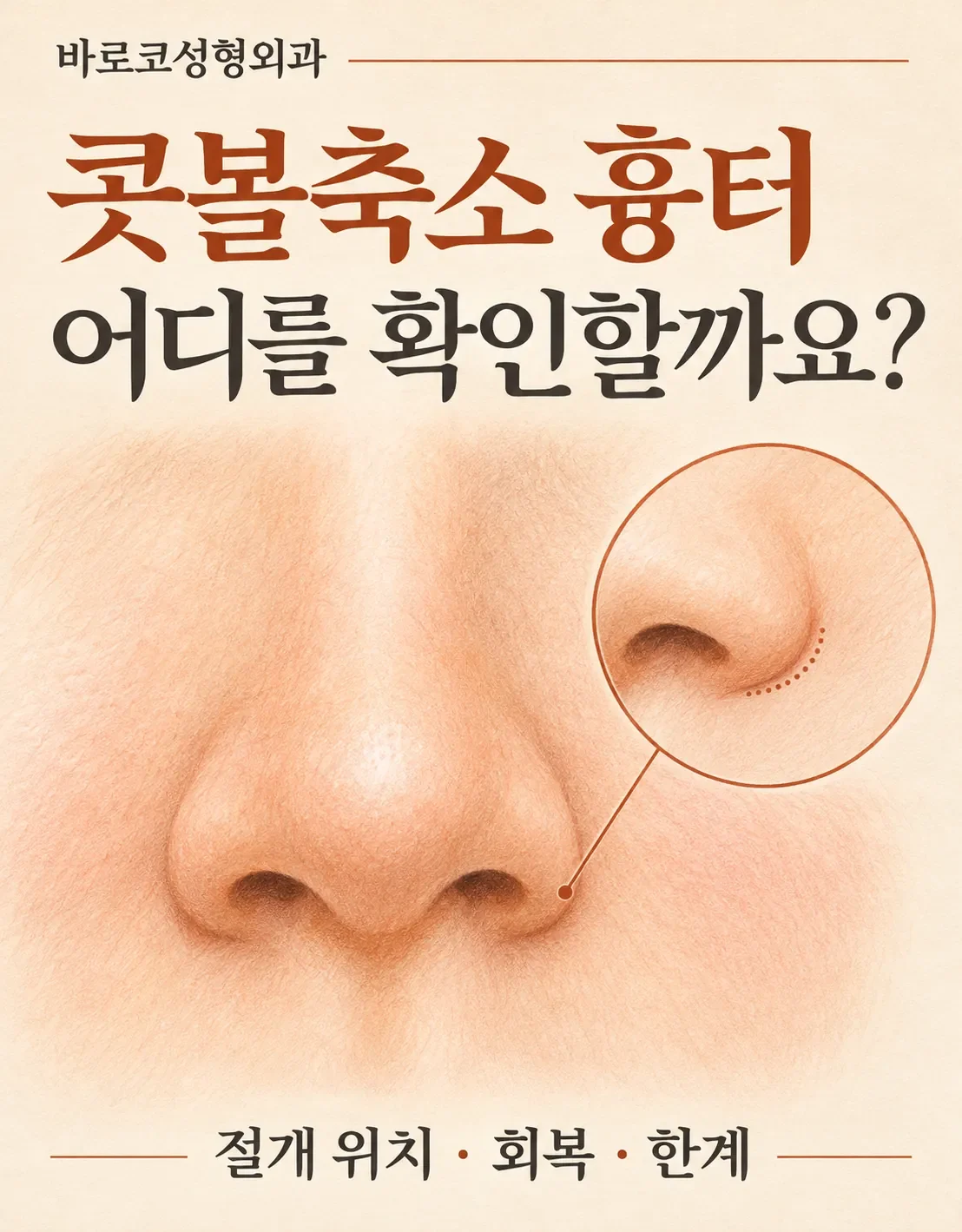
An internal incision and an alar incision are different
Rhinoplasty may use incisions inside the nose or across the skin between the nostrils. Separate incisions may also follow natural nostril creases to change nostril size. The term “closed rhinoplasty” alone does not mean there will be no incision around the alar base.[3]
Ask for the actual locations to be marked on a drawing: inside the nose, between the nostrils, or where the nostril wing meets the face. This helps avoid confusing different incisions.
First identify the area you want to reduce
A rounded tip and wide or flared nostrils are different concerns. Rhinoplasty can address several features, including tip shape and nostril size, so clarify which area the proposed surgery treats.[1]
Explain whether you dislike the width from the front or the nostril shape from below. Before choosing a method described as leaving less scarring, check whether it addresses the feature you actually want to change.
An incision in a crease can still leave a scar
Rhinoplasty carries risks including scarring, infection, bleeding, asymmetry and further surgery. Placing an incision less conspicuously is different from promising no scar. Discuss which risks matter in your situation.[2]
Describe how previous wounds healed and any previous nasal surgery. When viewing photographs, ask about lighting, angle and when they were taken. Another person’s subtle scar does not predict identical healing for you.
Include the start of scar care in the plan
You need instructions on protecting the operated area during healing. Smoking and vaping can delay healing and affect infection risk, so disclose their use before surgery.[2]
Ask when ointment, tape or massage is appropriate for your wound and procedure; do not start them on your own. Record the incision location, possible remaining marks, wound-check schedule and contact details before leaving the consultation.